Crypto Regulatory Roundup: Banking Access & Enforcement
The final weeks of 2025 brought significant regulatory movement, notably concerning institutional banking access for crypto firms. The Federal Reserve's potential move toward offering "skinny" accounts could reshape financial interactions. Compliance officers must prepare for intensified enforcement and clearer jurisdictional boundaries between the SEC and CFTC in 2026.
Open Compliance Project: Weekly Regulatory Roundup
Introduction
The final weeks of 2025 brought significant clarity and friction across the regulatory landscape. We saw movement on the long-standing issue of banking access, alongside intensified enforcement actions globally.
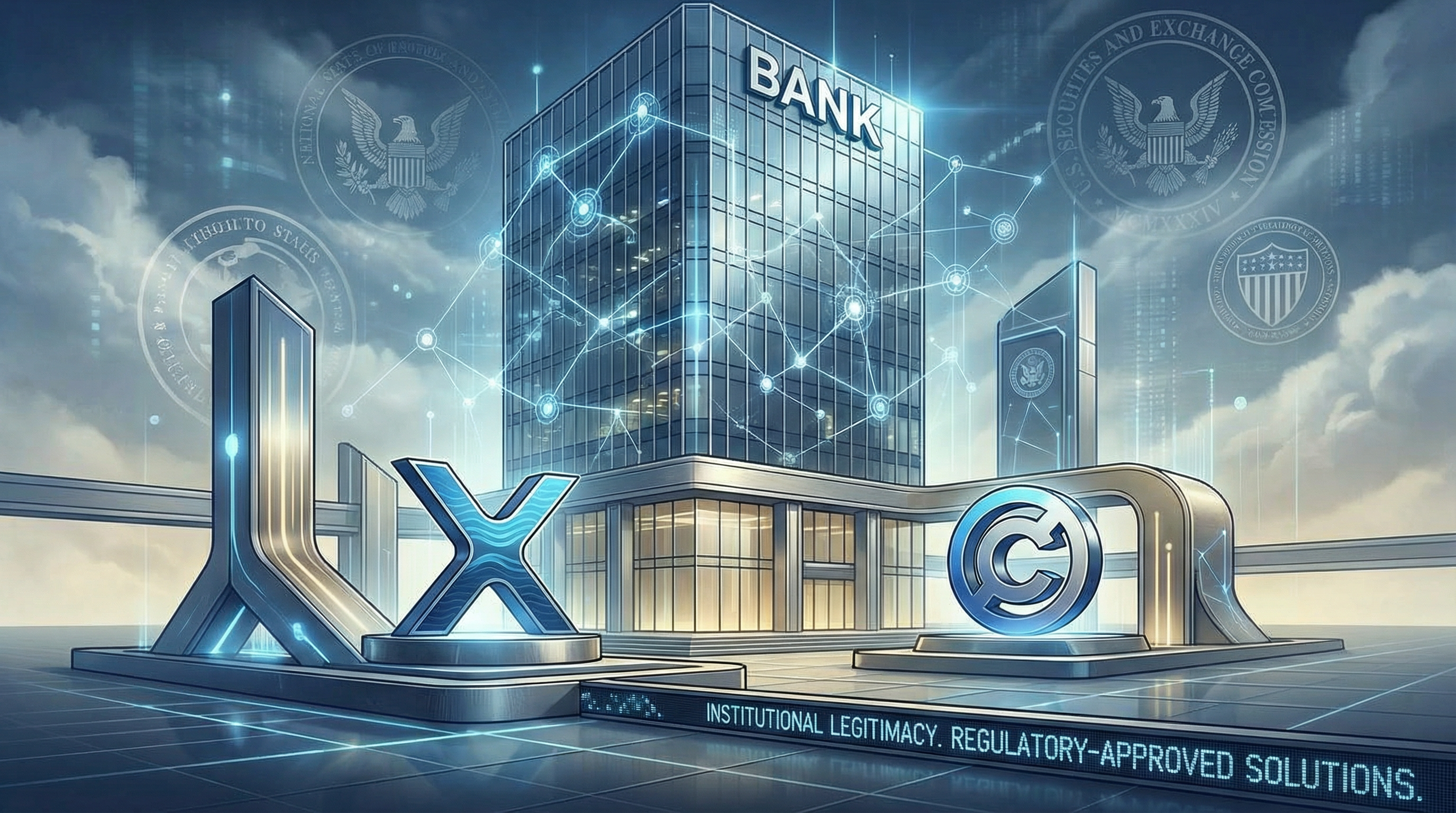
The most impactful development centers on institutional access and the potential easing of "de-risking" practices. The Federal Reserve’s move toward offering "skinny" accounts could fundamentally change how crypto businesses interact with the traditional financial system.
For compliance officers, this period highlights the dual pressures of innovation and enforcement. Businesses must prepare for increased regulatory scrutiny in 2026, especially as the SEC and CFTC refine their jurisdictional boundaries.
Institutional Access and De-Risking Dynamics
The ability for crypto firms to secure reliable banking services remains a critical compliance bottleneck. Recent developments show both progress and continued friction in this area.
Federal Reserve Accounts and Operation Chokepoint 2.0
Senator Lummis characterized the Fed’s movement on "skinny" accounts as a potential end to the perceived Operation Chokepoint 2.0. This refers to the practice where commercial banks systematically deny services to crypto firms, often citing regulatory uncertainty or reputational risk.
The idea behind "skinny" accounts is to grant qualifying fintech and crypto companies direct access to Federal Reserve master accounts. This bypasses commercial banks for certain payment and settlement functions.
If implemented broadly, this could provide a crucial hedge against arbitrary debanking. It injects stability into the operational foundations of regulated crypto businesses, reducing counterparty risk associated with traditional bank relationships.
However, access will likely come with stringent compliance requirements. Firms seeking these accounts must demonstrate robust anti-money laundering (AML) and sanctions compliance programs, potentially setting a new, higher standard for the industry.
Continued Friction: Sanctions and Stablecoins
Despite potential progress at the Fed level, commercial banks remain highly cautious, especially regarding sanctions compliance. This was evident when JPMorgan reportedly froze accounts belonging to two stablecoin startups, BlindPay and Kontigo.
The bank flagged exposure to sanctioned jurisdictions as the reason for the account freezes. This illustrates the intense pressure banks face to manage sanctions risk, often leading to de-risking practices that impact legitimate businesses.
For stablecoin issuers, this highlights the necessity of implementing world-class Know Your Customer (KYC) and transaction monitoring systems from day one. If a bank perceives even a remote risk of sanctions violation, the relationship can be terminated quickly.
This friction underscores a compliance challenge: the need for clear regulatory guidance that allows banks to serve the industry without fear of punitive action, while also ensuring national security objectives are met.
Enforcement, Accountability, and Consumer Protection
The regulatory focus continues to shift toward holding individuals and institutions accountable for consumer harm, market manipulation, and internal control failures.
Insider Trading and Global Cooperation
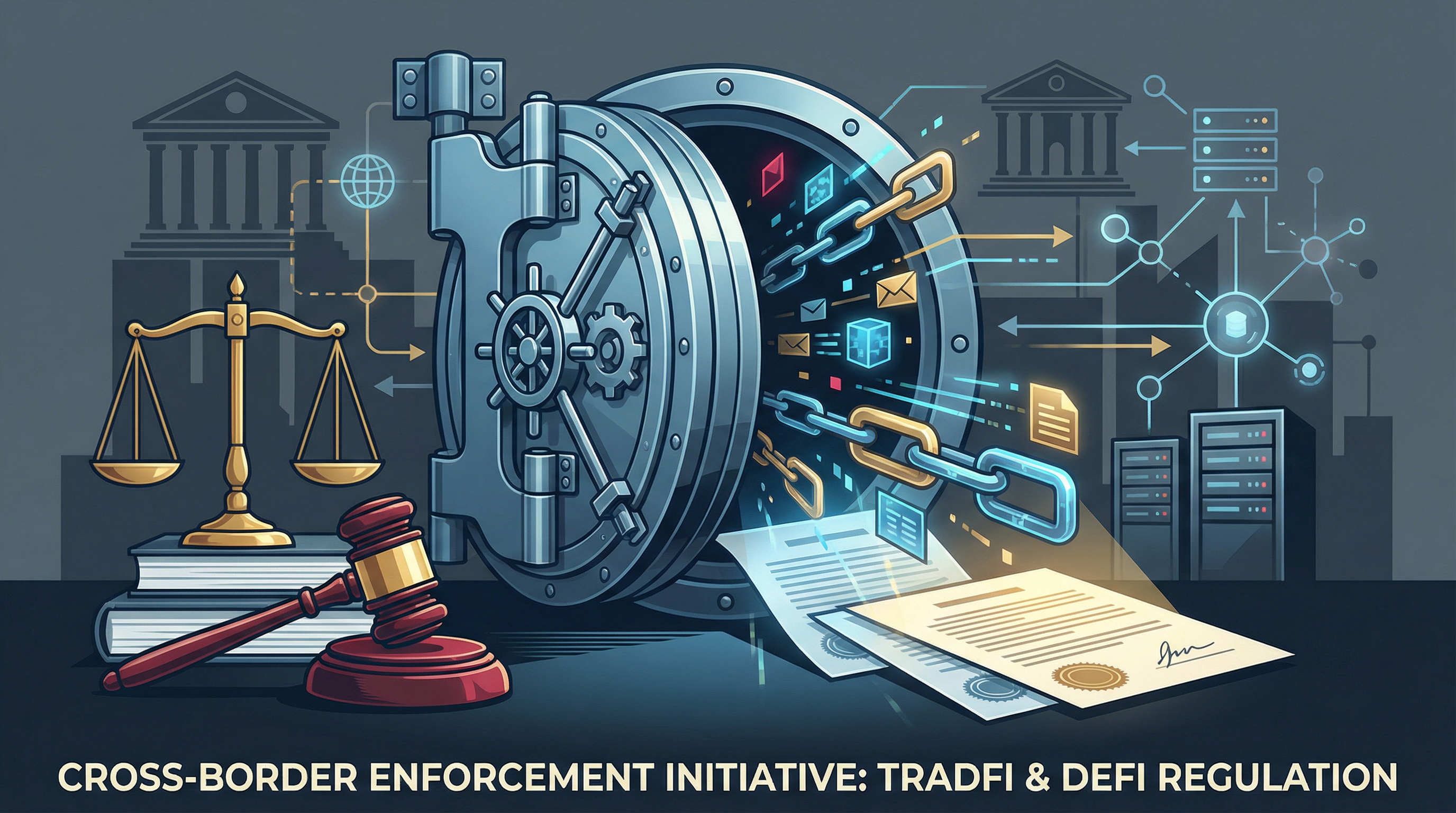
Coinbase CEO Brian Armstrong announced the first arrest in India related to an insider data breach. This signals a growing commitment to pursuing accountability across international borders.
Insider trading in the crypto market presents unique challenges due to the pseudonymous nature of transactions and the global reach of exchanges. This arrest demonstrates successful cooperation between private firms and international law enforcement.
For businesses, this reinforces the need for rigorous internal controls and data security protocols. Preventing insider data leaks is not just a security matter; it is a critical compliance and reputational risk issue.
The "more still to come" comment suggests that enforcement agencies are actively pursuing similar cases. Firms must review their employee trading policies and monitoring systems to mitigate this specific risk.
Consumer Compensation and Cyber Resilience
Trust Wallet initiated a compensation process for victims of a $7 million browser extension hack. This action, while voluntary, sets a precedent for institutional responsibility following major security failures.
When decentralized tools are offered through centralized interfaces (like a browser extension), the expectation of consumer protection often remains high. Users expect the offering entity to bear some responsibility for technological failures.
Compliance programs must integrate cyber resilience planning that goes beyond simple prevention. It must include clear protocols for incident response, customer notification, and, where appropriate, compensation mechanisms to maintain trust and regulatory standing.
This incident also serves as a reminder that the regulatory focus on operational resilience is increasing, moving beyond just financial stability to include technological security standards.
Legislative Battles and Future Regulatory Structure
As we move into 2026, the legislative priorities in the U.S. and globally are coming into sharper focus, particularly concerning market structure and the roles of key agencies.
The GENIUS Act and Stablecoin Competition
Coinbase CEO Brian Armstrong drew a "red line" regarding the potential reopening of the GENIUS Act, accusing traditional banks of lobbying to limit competition. The Act is often seen as a crucial framework for stablecoin regulation.
The core conflict here is between incumbent financial institutions and newer crypto firms over who controls the issuance and management of stablecoins. Banks often seek restrictions that limit stablecoin rewards or utility outside of traditional banking channels.
If the GENIUS Act is reopened and significantly altered, it could impose operational limitations on stablecoin issuers, potentially stifling innovation. Compliance teams need to monitor this legislative debate closely, as the outcome will dictate the permissible features of stablecoin products.
The debate highlights the tension between promoting financial stability (a regulatory goal) and fostering competitive innovation (an industry goal). Clear, technology-neutral rules are needed to resolve this.
SEC vs. CFTC: The 2026 Outlook
The forecast for 2026 suggests an ambitious agenda for the SEC, meeting a potentially more empowered CFTC. The jurisdictional fight over classifying digital assets as securities or commodities remains central.
Increased regulatory clarity, driven partly by the success of Bitcoin-related SEC filings in 2025, is pulling institutions into the regulated space. This institutional interest demands clearer rules of the road.
The CFTC is expected to continue asserting its authority over commodity-based digital assets, especially those used in derivatives markets. The SEC will likely maintain its focus on initial offerings and assets deemed investment contracts.
Businesses operating in the U.S. must prepare for dual regulation, ensuring their offerings comply with both securities and commodities laws, depending on the asset's characteristics and use case. This requires careful legal classification and robust disclosure practices.
Global Trends: Asia and RWA Tokenization
Looking globally, Asia's crypto rulebook for 2025 is being shaped significantly by stablecoins and Real World Asset (RWA) tokenization. This reflects a global trend toward leveraging blockchain for traditional finance activities.
RWA tokenization presents a unique set of compliance challenges, primarily around legal enforceability, asset custody, and cross-border regulatory harmonization. The asset being tokenized often falls under existing, complex regulations (e.g., real estate or commodities).
Asian jurisdictions appear focused on creating frameworks that integrate these new technologies into existing financial systems, prioritizing stability and investor protection. Firms expanding into Asia must adapt their compliance programs to these specific requirements, which often differ significantly from U.S. or European approaches.
The Human Element of Enforcement
Recent events serve as stark reminders of the personal stakes involved in regulatory and legal compliance failures within the industry.
High-Profile Accountability
The upcoming release of former Alameda CEO Caroline Ellison from federal custody next month closes one chapter in a major enforcement case. These high-profile outcomes underscore the serious consequences for corporate misconduct.
Separately, the letter from the Samourai Wallet co-founder, recounting his first day in prison, reignited debates over privacy tools, developer liability, and executive clemency.
These cases illustrate that compliance is not merely about organizational fines; it involves personal liability for executives and developers. Regulatory bodies are increasingly willing to pursue criminal charges for actions deemed fraudulent or facilitating illicit activity.
For developers working on decentralized protocols, the line between providing neutral technology and facilitating illegal activity remains dangerously ambiguous. This uncertainty is a major impediment to innovation in the privacy sector.
Businesses must ensure that their legal and compliance teams are actively assessing the risk profile of their tools, especially concerning money transmission and sanctions compliance, to protect both the firm and its personnel.
Key Takeaways
- Prioritize Banking Resilience: Actively explore options for diversified banking relationships, including potential access to Federal Reserve "skinny" accounts if eligible, to mitigate de-risking risk.
- Strengthen Sanctions Screening: Implement enhanced, real-time sanctions screening protocols for all transactions and counterparties, particularly for stablecoin operations, to avoid account freezes like those seen with JPMorgan.
- Audit Internal Controls: Review and update internal data security and employee trading policies immediately to prevent insider data breaches, following the example set by the Coinbase enforcement action in India.
- Prepare for Dual Jurisdiction: Structure legal and compliance teams to address potential dual regulation under both the SEC and CFTC, ensuring products are correctly classified and disclosures are robust for 2026.
- Develop Cyber Compensation Plans: Integrate formal customer compensation and notification protocols into incident response plans to manage consumer trust and regulatory expectations following security breaches.
- Monitor Legislative Stablecoin Action: Closely track the debate surrounding the GENIUS Act and bank lobbying efforts, as the outcome will directly impact the permissible features and business models for stablecoin issuers.
- Assess Developer Liability Risk: For projects involving privacy tools or non-custodial services, seek expert legal counsel to assess potential money transmission and sanctions compliance risks to protect developers and the firm.
What's Next
The regulatory trend points toward increased institutionalization and higher standards of operational compliance. As more traditional finance players enter the market, regulators will demand parity in risk management.
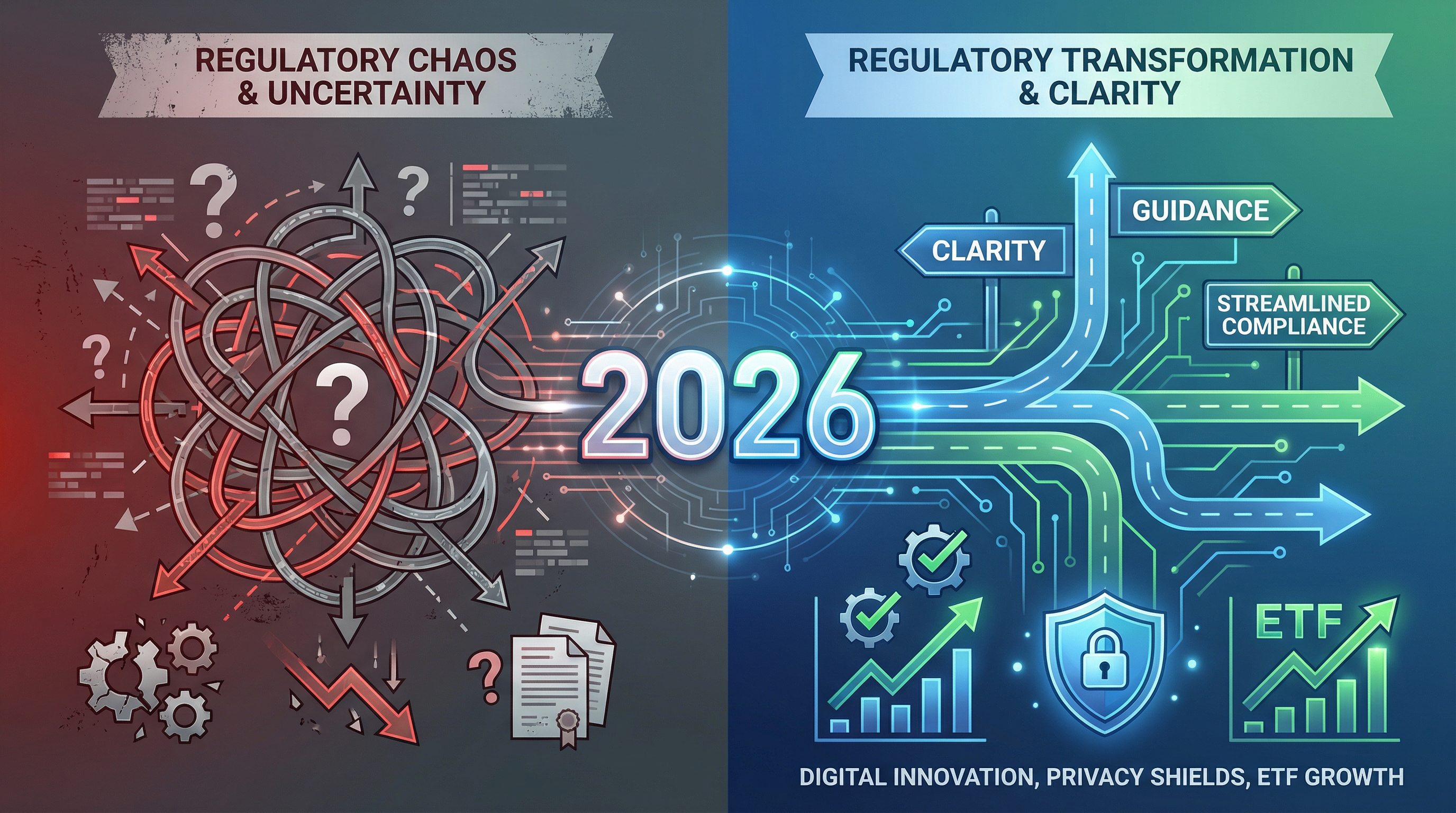
Businesses should use the start of 2026 to solidify their compliance infrastructure, focusing on the intersection of technology and existing financial law. The clarity that institutions sought in 2025 is materializing, but it brings enforcement expectations with it.
Prepare for a regulatory environment where the CFTC gains influence and the SEC maintains aggressive enforcement. The time for uncertainty is ending; the time for robust, auditable compliance programs is here.
Sources
- Cointelegraph
- The Block
Stay Updated
Get weekly regulatory updates and compliance insights delivered to your inbox.
No spam. Unsubscribe anytime.
Related Articles